Caribbean Food Centennial: Honoring the Flavors of the Islands

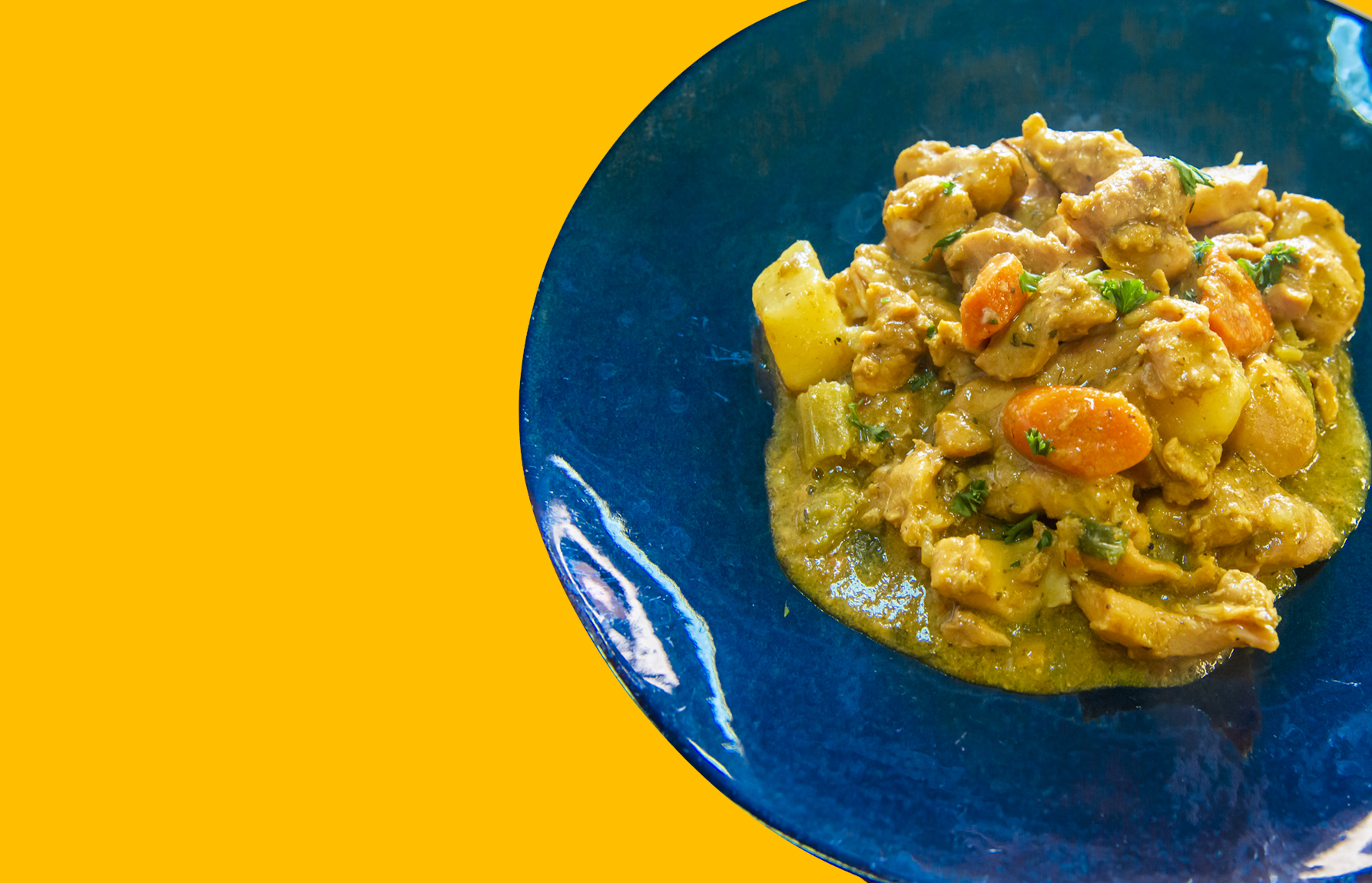
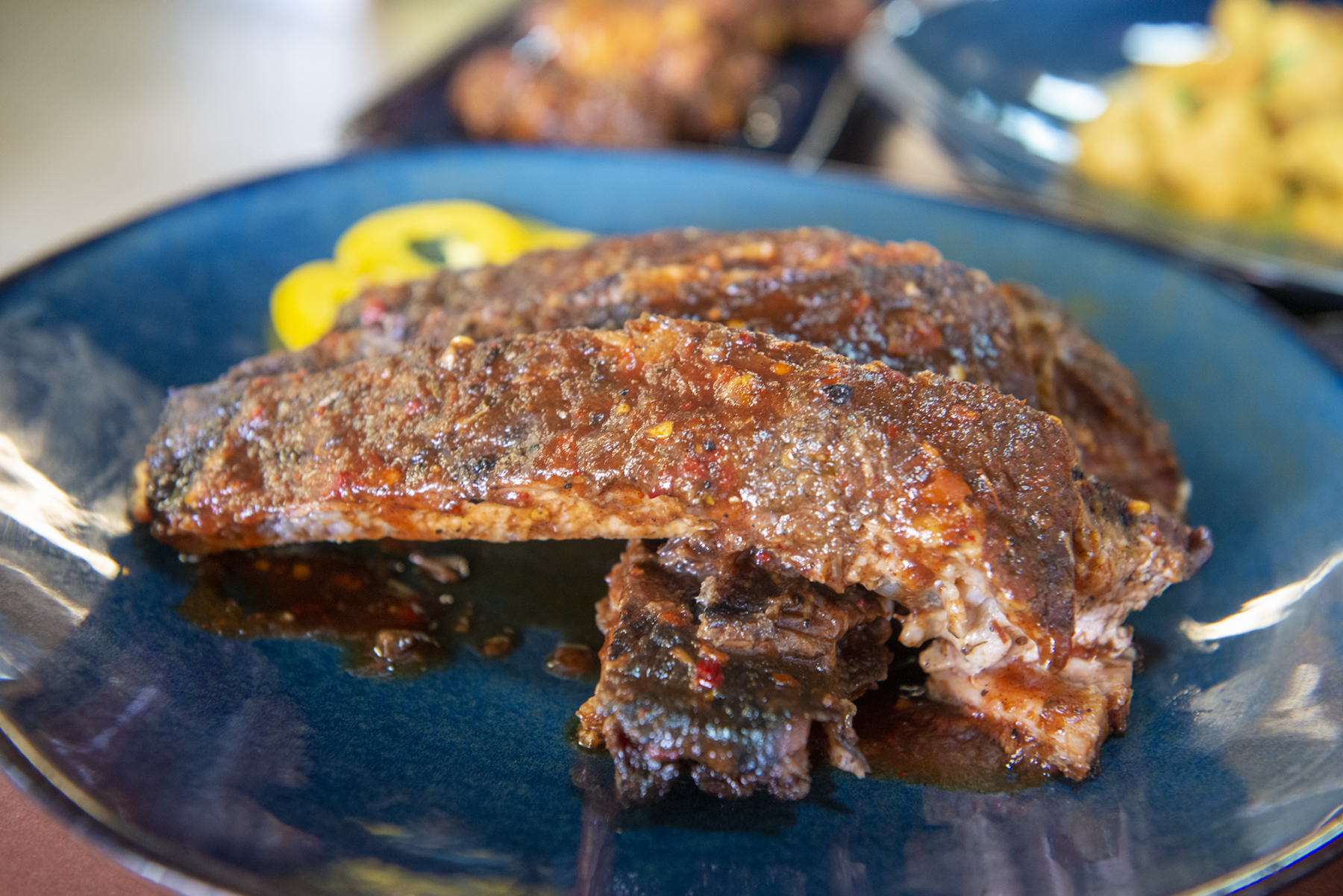
A centennial invites memory, but food asks for more than memory. It asks for smell, heat, texture, patience, and the kind of attention that only comes from standing near a pot long enough to understand what it needs. When people speak about a Caribbean food centennial, they are not talking about a single cuisine frozen in time. They are honoring a hundred years of migration, adaptation, survival, commerce, celebration, and family life carried through recipes that rarely sit still for long.
The Caribbean has never been one flavor profile. It is a region of many islands, many languages, and many inherited foodways shaped by Indigenous knowledge, African cooking traditions, European colonial influence, Indian indentureship, Chinese migration, Middle Eastern trade, and constant exchange between port towns and rural kitchens. One household’s Sunday spread may center on rice and peas, stewed oxtail, callaloo, and fried plantain. Another may bring together fish broth, cassava bread, green seasoning, goat curry, and coconut bake. A proper tribute to a Caribbean food centennial has to start there, with respect for difference as much as continuity.
What ties the region together is not uniformity. It is the shared instinct to make ingredients speak clearly. Scotch bonnet peppers are not used for theater alone. Coconut milk is not merely richness. Fresh thyme, culried spice blends, pimento, sour orange, allspice, garlic, ginger, culantro, bay leaf, and lime do not appear by accident. These flavors solve practical problems and create emotional ones. They preserve, tenderize, perfume, deepen, and warm. They turn modest ingredients into dishes people remember for decades.
A century told through the pot
Looking across roughly the last hundred years of Caribbean cooking, one pattern appears again and again: cooks have always worked with what was available, then elevated it with technique and instinct. That truth matters because romantic descriptions of island food sometimes flatten it into a postcard. The real story is more disciplined than that.
A pot of pigeon peas and rice seems simple until you pay attention to sequencing. Aromatics must soften without burning. Coconut milk must enrich the grains without making them heavy. Salt has to be judged against whatever cured meat or stock has gone into the pot. If the rice steams too hard, it toughens. If the liquid runs short too soon, the peas stay chalky. The best versions do not taste busy. They taste complete.
The same could be said for pepperpot, for brown stew fish, for Trinidadian pelau, for Haitian diri kole, for Bajan pudding and souse, for Jamaican mannish water, for Dominican sancocho, or for the long, slow family of soups and stews found across the islands. Over the past century, these foods have changed with refrigeration, urbanization, tourism, emigration, and supermarket supply chains, but the governing logic remains familiar. Stretch what you have. Season thoroughly. Cook with patience. Feed more people than you planned for.
That practical intelligence deserves as much recognition as the better-known ingredients. Caribbean cooks have always known how to transform cuts that wealthier societies dismissed. Oxtail, tripe, saltfish, pig tail, chicken backs, breadfruit, green banana, cassava, yam, eddoe, and split peas become luxurious in the right hands. This is one reason the cuisine travels so well. It was built not around excess, but around judgment.
The islands on the table, distinct yet connected
The phrase "Caribbean food" can be useful shorthand, but it can also hide important distinctions. A serious centennial celebration should resist the temptation to bundle everything into one soft, vague category.
Jamaican food often leads global perception of the region, and for good reason. Jerk alone has become one of the world’s most recognizable cooking styles. Yet what many people encounter caribbean food centennial abroad is a narrowed version, usually very hot, very sweet, or very smoky, and often disconnected from traditional methods. True jerk is about more than pepper. It is green pimento wood smoke, allspice, thyme, scallion, ginger, and a balance between fire and fragrance. It carries history in every bite.
Trinidad and Tobago brings another texture to the story. Few places show culinary layering as vividly. Doubles, buss up shut, curry duck, callaloo, bake and shark, and corn soup reflect African, Indian, Chinese, Syrian-Lebanese, and Creole influences without becoming a museum exhibit. The food remains alive because street vendors, home cooks, and small restaurants keep pushing it forward. A curry there is not interchangeable with a curry elsewhere. The roast geera note, the handling of shadow beni, the style of pepper sauce, the preferred texture of channa, these details matter.
In the French-speaking Caribbean, especially Haiti, Martinique, and Guadeloupe, the relationship between technique and local produce produces another set of signatures. Epis in Haitian cooking gives dishes a fresh, grounded backbone. Accras, griot, sos pwa, and pumpkin soup carry both everyday and ceremonial significance. In the Spanish-speaking islands, mofongo, asopao, sofrito, adobo, and slow-roasted pork show a different evolution, one shaped by local starches, garlic-forward seasoning, and generations of adaptation.
Then there are the smaller and less globally marketed food traditions, often the ones most vulnerable to neglect. Indigenous cassava preparations in places like Dominica and Guyana. Coconut-heavy coastal dishes in Belize. Salt-rubbed fish cookery in the Bahamas. Bread and tea rituals that survive in villages long after younger generations move abroad. A Caribbean food centennial worth the name should shine a light there too, not only on the dishes that already photograph well.
The pantry that built resilience
If there is a single lesson in island cookery over the past hundred years, it may be that scarcity does not automatically mean deprivation. In skilled kitchens, it often means discipline. Caribbean pantries developed around ingredients that stored well, traveled well, or yielded multiple meals. Salt cod could last. Rice could anchor a family dinner. Dried peas offered protein when fresh meat was expensive or unavailable. Green bananas and root crops handled rough transport better than delicate produce.
Coconut deserves special mention because it behaves almost like a full pantry by itself. Milk enriches rice, stews, sweets, and sauces. Flesh becomes filling, garnish, and dessert base. Oil, where traditionally produced, supports frying and preservation. Water refreshes. Shells and husks have practical uses beyond the plate. This kind of ingredient economy shaped household cooking for generations.
The same is true of seasoning bases. Green seasoning in Trinidadian cooking, epis in Haitian kitchens, sofrito in Puerto Rican and Dominican households, and countless local marinades all represent a smart concentration of flavor. They save time, reduce waste, and create continuity from dish to dish. One spoonful can turn a weekday pot into something substantial.
A centennial reflection should also admit that many old pantry habits came from necessity tied to inequality, colonial economics, and labor systems that gave working people little margin for error. Celebrating resilience does not require romanticizing hardship. The brilliance of the cuisine lies partly in how cooks answered harsh conditions with care and invention.
Street food, ceremony, and the everyday feast
Some of the strongest food memories in the Caribbean come not from grand dining rooms, but from roadside stalls, ferry terminals, fishing beaches, rum shops, and market edges. Street food is where a cuisine often speaks most plainly. It is quick, affordable, and brutally honest. If the seasoning is flat, everyone knows. If the fry oil is old, people taste it immediately. If the bread is fresh and the filling generous, a vendor builds loyalty that can last for years.
A proper centennial celebration should make room for those vendors because they preserve forms of cooking that formal institutions often overlook. Patties held under warm glass, cassava pone wrapped for takeaway, roasted corn brushed with spice, fresh-cut coconut, saltfish fritters, black pudding, tamarind balls, and crab backs all tell part of the story. So do drinks: sorrel at Christmas, mauby, peanut punch, seamoss, ginger beer, fresh cane juice where available, and countless fruit blends that make use of seasonal abundance.
Ceremonial food tells another part of the story. Holiday tables across the Caribbean tend to be expansive because feast days carry heavy cultural meaning. Christmas black cake, ham glazed and baked, pastelles, great pans of rice, roast meats, jugged sorrel, and rich desserts do more than feed guests. They mark continuity. The labor involved is part of the event. Families soak fruit, grind spices, clean meats, grate coconuts, and debate technique with a seriousness that can seem disproportionate to outsiders. It is not disproportionate at all. It is how tradition survives.
One of the most striking patterns over the last century is that celebratory dishes often preserve older methods more faithfully than everyday meals do. A busy urban household may simplify weekday cooking, but when a wedding, wake, christening, carnival lime, or Christmas gathering arrives, the old standards return with full force. That is why feast food matters so much to the idea of a Caribbean food centennial. It is where memory stays sharpest.
Migration changed the menu, but not the core
The Caribbean story cannot be told only on the islands. Over the last hundred years, migration to the United Kingdom, the United States, Canada, and elsewhere has been one of the main forces shaping the cuisine. Diaspora communities carried recipes abroad, but ingredients did not always follow easily. That gap produced substitutions, compromises, and occasionally brilliant reinventions.
Anyone who has cooked Caribbean food outside the region knows the problem. Breadfruit may be hard to find. Proper thyme may be available, but not at the right freshness. Scotch bonnet peppers might be replaced with habaneros, which work in some dishes and miss the mark in others. Saltfish quality varies wildly. Some coconuts are excellent, others watery and tired. Plantains can be too green one week and overripe the next. Cooks adapt because they must.
Those adaptations are not always losses. Caribbean bakeries in London helped preserve breads, patties, and cakes for new generations. New York and Toronto gave rise to vibrant roti shops and jerk houses that became social institutions as much as food businesses. Diaspora cooks also benefited from access to new produce, meats, and equipment. Pressure cookers shortened cooking times for peas and tough cuts. Freezers allowed families to batch season and store. Specialty import stores made festival foods more feasible.
Still, migration introduces a trade-off. Recipes survive, but context shifts. A dish that made perfect sense in a tropical climate may feel heavy in a northern winter unless adjusted. Fresh fish cookery loses something when seafood supply is inconsistent. A soup meant to follow the pace of a communal Saturday can become a rushed Sunday evening project squeezed between work obligations. The cuisine remains powerful, but it changes shape under pressure.
This is why any discussion of a Caribbean food centennial should include the diaspora not as a footnote, but as one of the main stages on which the cuisine has evolved.
What modern chefs get right, and what they sometimes miss
In recent years, more chefs and food writers have brought Caribbean flavors into fine dining and contemporary restaurant spaces. At its best, this has been a gift. It gives long-overdue visibility to ingredients and techniques that were once dismissed as too humble or too rustic for serious culinary treatment. It also creates space for younger cooks to study the cuisine with pride rather than apology.
The strongest modern interpretations tend to share a few qualities:
- They respect foundational seasoning rather than using heat or sweetness as shortcuts.
- They credit the specific island traditions behind dishes instead of labeling everything simply "Caribbean."
- They treat starches, broths, and side dishes with the same seriousness as proteins.
- They understand that texture matters, especially in fritters, rice dishes, stews, and fried foods.
- They know when refinement adds value and when it strips the dish of its point.
The weaker versions usually fail in predictable ways. Some reduce the cuisine to a handful of loud notes: jerk, rum, pineapple, and chili. Others over-plate food that was meant to feel abundant and generous. A tiny tower of coconut rice with three dots of sauce may look polished, but it misses the social heart of the food. Caribbean cooking has elegance, but much of that elegance comes from depth, hospitality, and proportion rather than restraint for its own sake.
A chef who wants to honor a centennial should start by listening to home cooks, market vendors, and elders. Professional technique can sharpen a dish, but it cannot replace the hard-earned judgment of people who have been making it for fifty years.
Preserving dishes that are at risk of fading
Not every beloved dish crosses generations intact. Some disappear because the labor is too heavy for modern schedules. Others depend on ingredients that have become expensive, scarce, or difficult to import. A few are simply less fashionable than they once were, especially among younger diners raised on global fast food and digital food trends.
Cassava preparations are a good example. In places where bread, rice, and imported wheat products grew cheaper or more accessible, some cassava-based foods lost everyday status. Traditional soups that rely on multiple ground provisions can also fall out of regular rotation because peeling, cutting, and timing everything properly takes effort. Certain organ meats and preserved fish preparations face a similar decline, often because younger cooks were never taught how to handle them well.
Preservation does not always mean locking a dish in amber. Sometimes it means teaching people how to cook a version that fits modern life without hollowing out the original. A pressure cooker can reduce simmering time while preserving flavor. Frozen grated coconut can stand in when fresh coconut is unrealistic, though not always with identical results. Community cooking classes, market tours, oral history projects, and family recipe documentation can all help.
There is also value in keeping some things difficult. Not every recipe needs to be simplified beyond recognition. Holiday black cake should still ask for patience. Pepperpot should still reward long simmering. The point of heritage food is not convenience alone. It is transmission.
The agricultural side of the story
Food heritage is only as strong as the systems that feed it. Caribbean cuisine depends on farmers, fishers, spice growers, market women, backyard gardeners, and processors whose work rarely receives the praise given to chefs. A centennial celebration that ignores agriculture would miss the base of the pyramid.
Climate pressure is part of this conversation now. Hurricanes, changing rainfall patterns, coastal damage, and supply chain shocks affect everything from root crops to fresh herbs to fish availability. When local production is disrupted, imported substitutes often fill the gap, but not always gracefully. Anyone who has tasted a dish made with tired imported produce instead of fresh local ingredients understands the difference immediately.
The region’s food future, like its past, will depend partly on how well communities sustain local staples. Breadfruit, cassava, sweet potato, yam, pigeon peas, dasheen, and local fruit varieties are reggaepotjamaicangrill.com caribbean food centennial not just heritage markers. They are practical assets. They suit local conditions, support culinary identity, and often carry stronger flavor than imported alternatives.
Restaurants and festivals can help here by buying locally when possible and by naming ingredients with care. Consumers respond when they know what they are tasting. That awareness builds demand, and demand can help keep agricultural traditions alive.
How to celebrate a Caribbean food centennial with substance
A meaningful tribute is not only a themed menu or a social media campaign. It works best when it brings history, labor, and pleasure into the same frame. That can happen in homes, schools, restaurants, cultural centers, and public festivals.
One useful model is to build an event around a few dishes that each represent a different thread of the region: one Indigenous-rooted preparation, one Afro-Caribbean stew or rice dish, one Indo-Caribbean specialty, one street food item, and one holiday dessert. Served together with context, these dishes show the layered history more clearly than a generic buffet ever could.
Another strong approach is intergenerational cooking. Ask an elder to make the dish they know by feel rather than written measurement. Then let a younger cook translate that method into notes without sanding off its character. The exchange itself becomes part of the celebration. So many Caribbean recipes live in phrases like "until it smell right" or "enough water to cover by a finger." Those instructions are not careless. They are sensory systems. Recording them carefully can preserve both technique and voice.
Restaurants can contribute by highlighting specific island origins, not just broad branding. Schools and community groups can host tastings paired with migration stories. Food media can do better by commissioning people from the culture to tell these stories firsthand rather than filtering them through trend language.
The goal of a Caribbean food centennial should not be nostalgia alone. It should be continuity with standards.
The flavors that endure
Certain flavor combinations have survived a century of change because they answer deep human needs. Smoke with sweetness. Pepper with fruit. Salinity balanced by starch. Acid cutting richness. Long-cooked meats paired with fresh herbs. Dense cakes perfumed by spice and soaked fruit. Crisp fried edges against soft interiors. These combinations persist not because they are fashionable, but because they satisfy.
They also carry social meaning. A pot of soup shared from one kitchen to several neighboring houses says something about community. A tray of patties bought after school says something about routine and comfort. A carefully prepared Sunday lunch says something about dignity and care. Food in the Caribbean has always been both nourishment and statement.
That is what makes the idea of a Caribbean food centennial so compelling. It is not simply an anniversary of dishes. It is recognition of the people who kept seasoning bowls, spice blends, soup pots, coal fires, beach grills, bakery counters, and market stalls alive through upheaval and change. Their work built one of the world’s most expressive food cultures.
The finest tribute is to keep cooking it properly, naming it accurately, and serving it generously. When the pot opens and the aroma lifts, history stops feeling distant. It becomes immediate, edible, and shared.
Reggae Pot Jamaican Grill
Address: 7562 S University Blvd Unit C, Centennial, CO 80122
Phone: (303) 997-5623
FAQ About caribbean food centennial
What Jamaican dishes can I try in Centennial?
Reggae Pot Jamaican Grill serves Jamaican specialties such as jerk chicken, stewed oxtail, curry goat, and ackee and saltfish. Check the current menu for availability.
What is ackee and saltfish?
It is Jamaica’s national dish. The restaurant prepares ackee with salted cod, onions, thyme, tomatoes, garlic, black pepper, and pimento.
Can I order Jamaican food for pickup in Centennial?
Yes. Choose the Centennial location at 7562 S University Blvd Unit C when placing a takeout order.