How the Jamaican Food Centennial Connects Generations
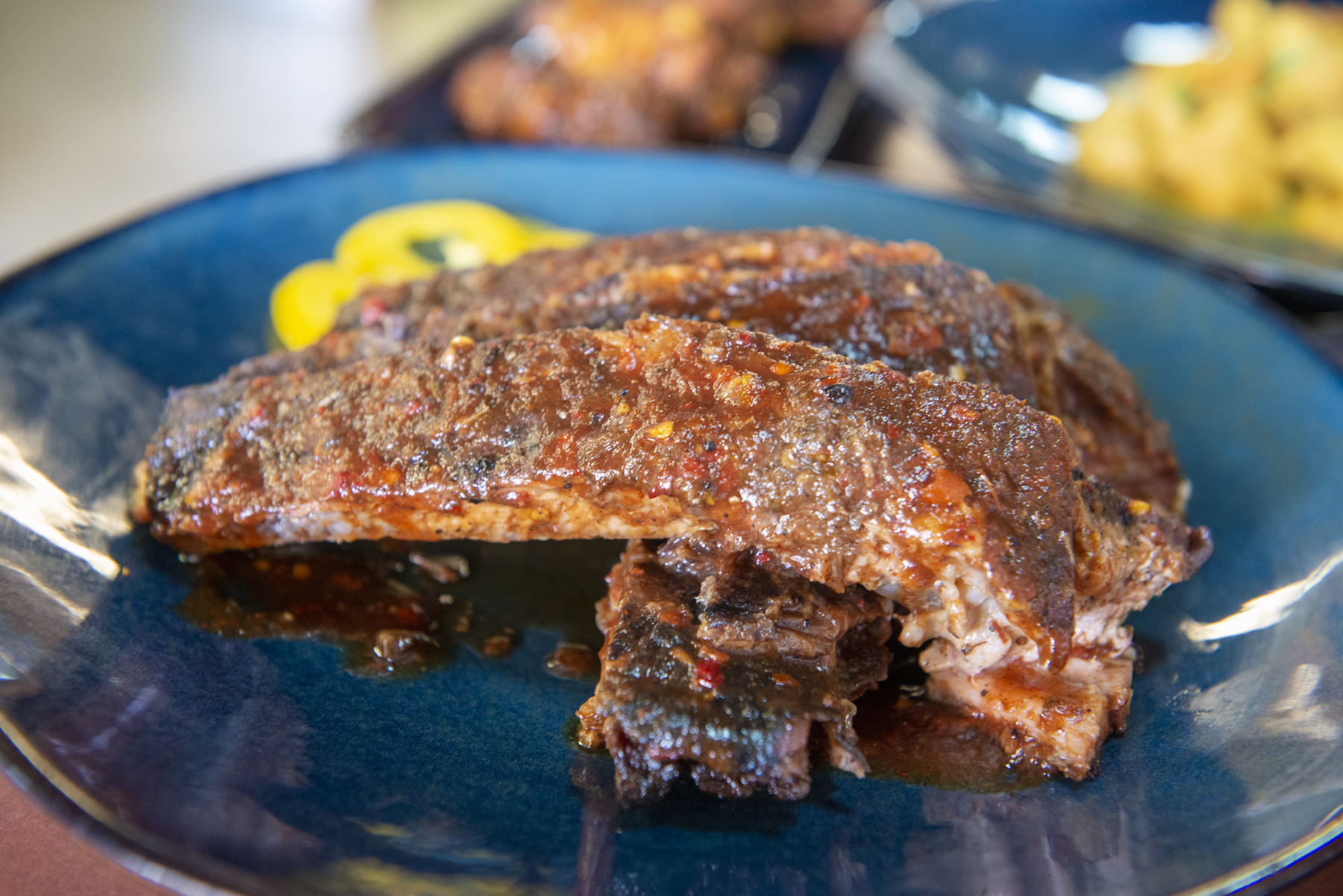
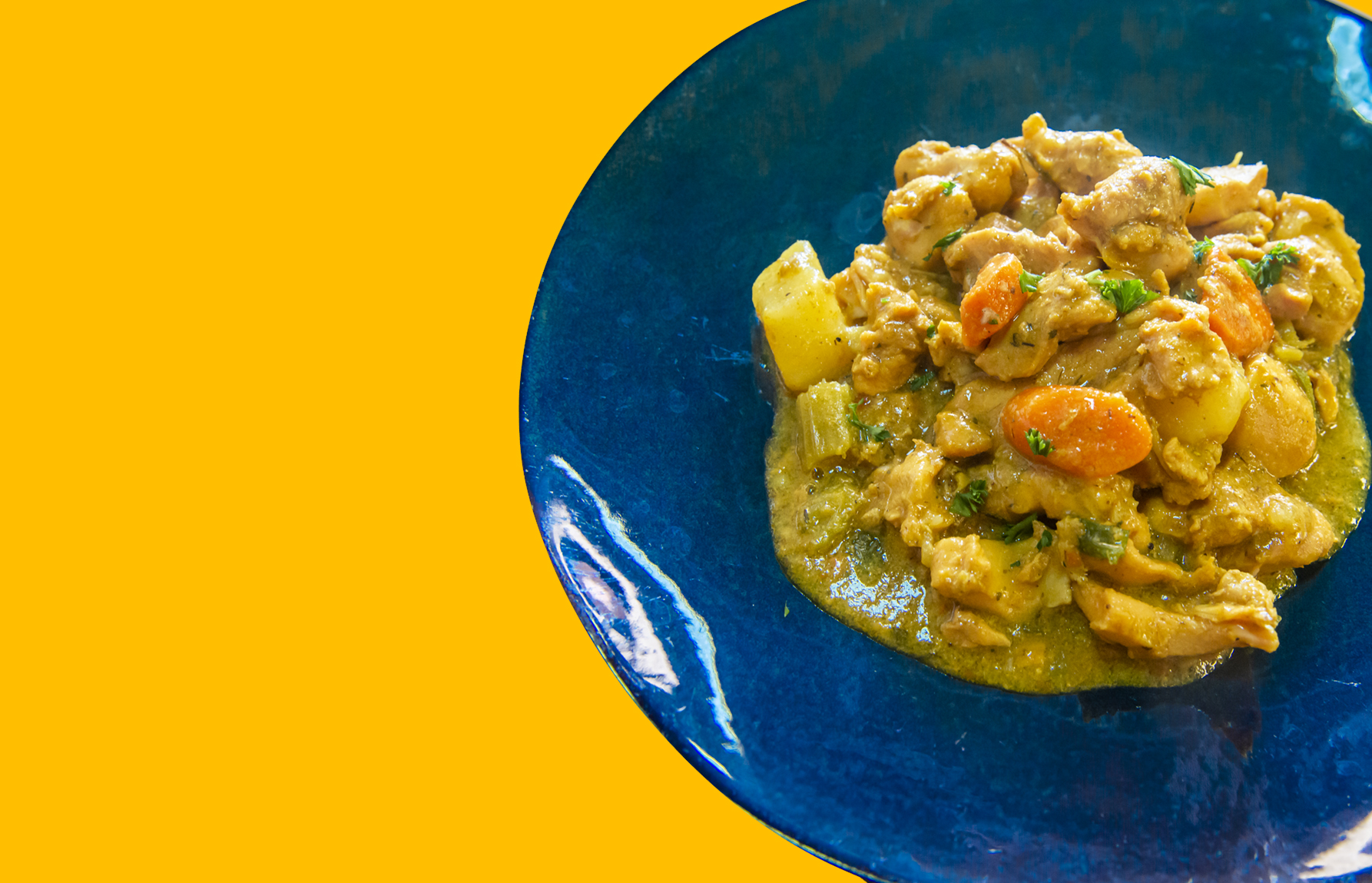
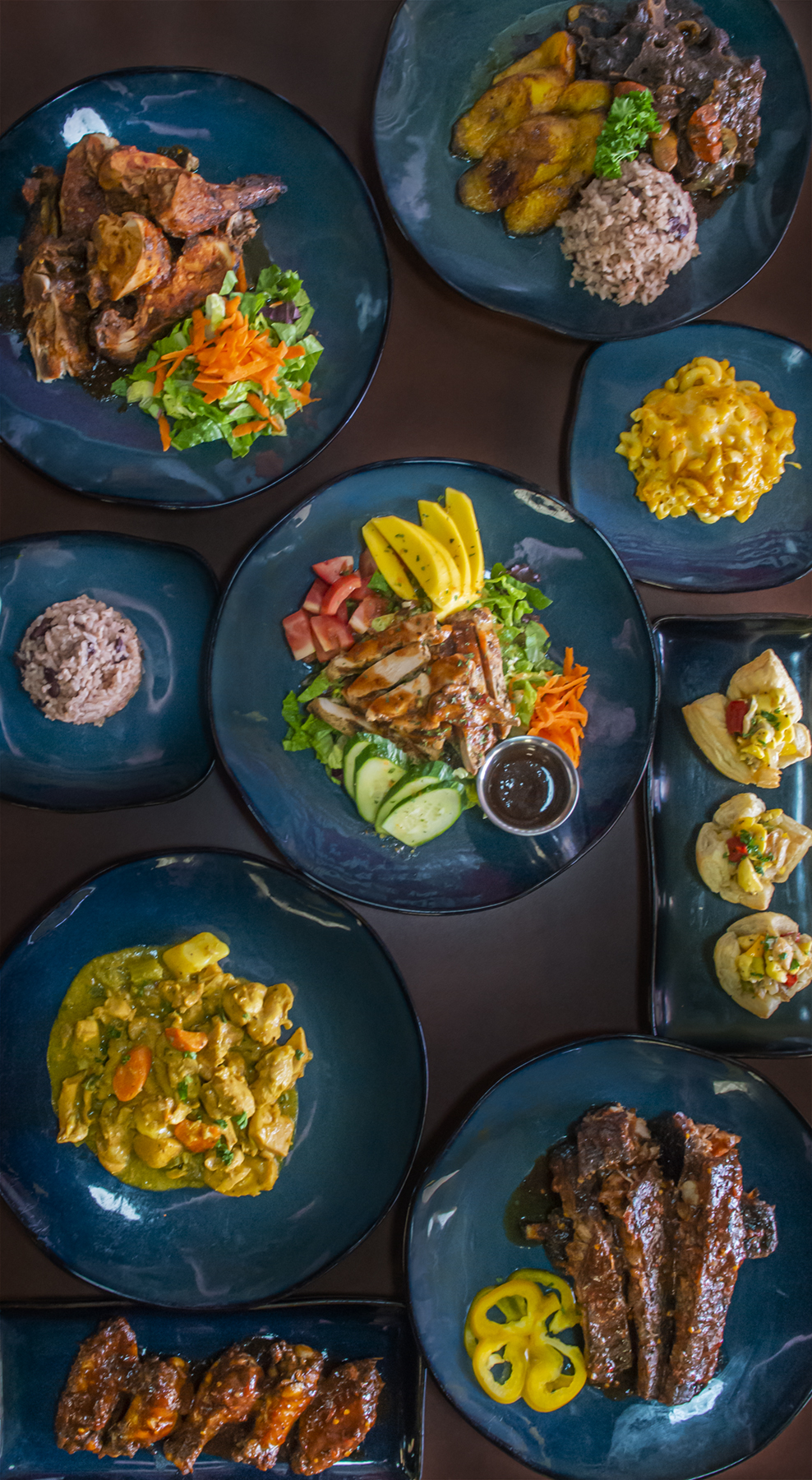
There are anniversaries that stay on the calendar, and there are anniversaries that move through a community like a familiar aroma from the kitchen. A Jamaican food centennial belongs to the second kind. It is not only a marker of one hundred years. It is a living reminder that recipes outlast trends, that taste carries memory with startling force, and that a meal can hold family history more securely than a photo album.
Food centennials matter because they do two jobs at once. They preserve what people fear losing, and they create reasons for younger generations to step forward and participate. In Jamaican communities, whether on the island or in the diaspora, food has always done cultural heavy lifting. It appears at Sunday dinner, at funerals, at weddings, at roadside stalls, at holiday gatherings, at school fundraisers, at church events, and at the kind of ordinary weekday table where children learn what home tastes like without realizing they are learning anything at all.
When people gather around a Jamaican food centennial, they are rarely celebrating dishes in the abstract. They are celebrating labor, migration, adaptation, memory, and pride. One pot of soup can lead to stories about grandparents who sold produce in the market. One plate of rice and peas can open a conversation about why coconut milk was non negotiable in one branch of the family and optional in another. One slice of rum cake can revive names, jokes, and habits that had nearly disappeared from daily speech.
That is how generations connect, not through ceremony alone, but through repetition with meaning.
More than recipes, a family archive you can taste
Many families think of history as something written down. In practice, a large share of history is cooked, served, corrected, and passed hand to hand. Jamaican cooking is especially rich in this kind of transmission because it is deeply sensory. Measurements are often intuitive. Timing may be described as “until it smell right” or “when the gravy tighten.” Heat, texture, and balance matter as much as exact quantities.
At first glance, that can frustrate younger cooks who want precision. Yet that very looseness is part of how elders teach judgment. A grandmother does not only show someone how to season callaloo. She teaches how to notice moisture in the pan, how to gauge the saltiness of saltfish before adding extra seasoning, and how to recognize when a Scotch bonnet has done enough work without overwhelming the dish. Those lessons cannot be fully captured by a typed recipe card.
The Jamaican food centennial creates a formal moment to recognize this informal education. It tells older relatives that what they know is valuable. It tells younger relatives that paying attention is not nostalgia for nostalgia’s sake. It is skill building, identity building, and stewardship.
I have seen this most clearly at multigenerational gatherings where the kitchen becomes a place of negotiation. A teenage cousin films a dumpling tutorial on a phone. An aunt objects because the camera is too close and does not show hand position properly. A grandfather, who claimed he was not interested, steps in to explain why the boiling water must be at a strong simmer before the first dumpling goes in. Within ten minutes, three generations are collaborating. No one in that room is speaking in the language of preservation policy, but preservation is exactly what is happening.
The table becomes a meeting place between elders and youth
The strongest bridge between generations is often not agreement. It is participation. Food invites participation almost effortlessly because it offers so many points of entry. Someone can peel, wash, stir, taste, plate, serve, shop, document, or ask questions. This matters in families where age differences, migration experiences, or even language habits have created distance.
Younger people may not always feel connected to formal speeches about heritage. They often connect faster through action. Ask a child to snap green beans or shell gungo peas, and you have opened a door. Ask a university student home for the holidays to compare how festival is made in one parish versus another, and you have started a serious conversation dressed in casual clothes. Ask a young adult raised overseas to source hard dough bread, sorrel, or proper jerk seasoning in a city supermarket, and suddenly supply chains, substitution, and authenticity become practical topics rather than vague cultural concerns.
A Jamaican food centennial sharpens these exchanges because it adds occasion. It turns everyday cooking into an event with memory attached. People become more intentional. Elders bring out stories they might not share on an ordinary afternoon. Young people who might usually drift away after eating stay longer because there is a sense that this gathering stands for something larger.
jamaican food centennialThat emotional charge matters. Families do not always need dramatic interventions to reconnect. Often they need repeated settings where contact feels natural and useful. The kitchen provides that.
Why centennials carry special weight in Jamaican communities
A hundred year milestone has a gravity that a five year or ten year anniversary does not. It allows families and communities to think in generational layers. Very few people can personally remember the full century, but many can remember someone who linked them to an earlier era. In Jamaican families, those links often come through women who managed kitchens under difficult conditions, men who farmed or fished, street vendors who fed neighborhoods, and migrants who preserved taste while adapting to new markets abroad.
A centennial prompts larger questions. What did our people have access to? What did they substitute when ingredients were scarce? Which dishes marked celebration, and which signaled hardship? How did rural cooking differ from urban cooking? What changed after migration to Britain, the United States, Canada, or elsewhere? Which foods became more prized in the diaspora because they were harder to find?
These are not trivial details. They explain how identity survives pressure. Jamaican cuisine reflects Indigenous knowledge, African inheritance, European colonial influence, Indian and Chinese migration, and local innovation shaped by climate, trade, and necessity. A Jamaican food centennial makes that complexity visible in a way that lectures often do not. On one table, people can see continuity and change side by side.
A pot of mannish water at one gathering may sit next to a vegan ital adaptation at another. Some purists may object, and sometimes they have a point. Not every substitution preserves the character of a dish. But the friction itself is useful. It reveals how communities decide what is essential and what can evolve. That kind of discussion is a sign of a culture very much alive.
The stories tucked inside familiar dishes
No one who has spent time around Jamaican cooking mistakes these dishes for neutral fuel. They carry stories, class signals, regional differences, and personal loyalties. Even simple pairings can spark strong opinions. Breadfruit with ackee means one thing in one home, roasted yam and saltfish another in the next. The sauce on escovitch fish, the sweetness level of fried plantain, the texture of porridge, the darkness of browning in stew, all of it can become a map of where a person comes from and who taught them.
At a centennial event, these details become conversational currency across age groups. Elders tend to remember the conditions around the food as much as the food itself. They recall coal stoves, market days, backyard trees, river fish, holiday preparation that started before dawn. Younger relatives often know the dish but not the labor behind it. Once that labor is explained, respect changes shape.
I remember one family gathering where an older uncle talked about cassava pone as if he were reciting a family document. He did not merely describe flavor. He described the scraping of cassava by hand, the patience required, the irritation if the mixture turned too wet, the waiting while neighbors wandered in and out to comment on progress. A younger relative who had only ever bought slices from a bakery suddenly understood why homemade pone was treated almost ceremonially. The conversation moved from recipe to economics to memory to neighborhood life without anyone announcing a topic change.
That is the connective power of a Jamaican food centennial. It allows older people to narrate context, and it gives younger people a reason to listen closely.
The diaspora adds another layer of meaning
For Jamaicans living abroad, food often carries more emotional intensity than it does at home. Distance can make ordinary things feel ceremonial. A patty bought after school in Kingston and a patty sought out in Toronto or London are not the same experience, even if the pastry is excellent. Abroad, food frequently bears the pressure of representation. It has to satisfy appetite and reassure identity at the same time.
This is where a Jamaican food centennial becomes especially powerful. It brings into focus the adaptations that migration demanded. Ingredients were not always available. Scotch bonnet peppers might be difficult to source. Pimento wood for proper jerk was out of reach for many cooks. Callaloo, cho cho, sorrel, or fresh thyme might require special trips across town. People improvised. They planted what they could in back gardens. They built businesses around imported goods. They taught children to recognize substitutes without forgetting the original.
For second and third generation Jamaicans, these food practices often become an entry point into family history that feels less intimidating than genealogy research. Not everyone wants to dig through records. Many are willing to learn why their grandmother insisted on a particular brand of coconut milk or why Christmas was not Christmas without sorrel steeping overnight with ginger and spice.
The keyword phrase jamaican food centennial fits here not as a trend term, but as a genuine frame for understanding how communities keep cultural continuity under changing conditions. In diaspora neighborhoods, centennial celebrations can serve as both reunion and classroom. Older migrants relive the resourcefulness that sustained them. Younger people discover that preservation is not static. It is active, practical, and sometimes inventive.
Memory travels through the senses faster than through speech
One reason food connects generations so effectively is that it bypasses resistance. People who would avoid a serious talk about family history may still soften at the smell of curry goat, fresh coco bread, or soup simmering with yam, pumpkin, and thyme. The body responds before the mind organizes a formal interpretation. That response can unlock stories that have been dormant for years.
Smell is especially potent in communal memory. Ask an elder what they remember about Easter, Christmas, market day, or a wake, and scent often leads the answer. Nutmeg in a pudding, smoke from jerk pans, boiling cornmeal, overripe mangoes in season, all of these cues carry time inside them. Younger generations, raised in faster and more digitized environments, sometimes encounter heritage first as information. Food restores the emotional layer that information alone cannot supply.
This matters because cultural continuity requires feeling as well as knowledge. A recipe copied into a notes app is useful. A recipe associated with laughter, correction, teasing, grief, and celebration is harder to abandon. The centennial setting strengthens those associations. It gives people a memorable occasion to anchor what they learn.
The kitchen is one of the few places where authority can be shared
Intergenerational relationships can become strained when one side feels talked down to and the other feels ignored. Food offers a better model because expertise can move around the room. Elders may know technique jamaican food centennial and history. Younger family members may know how to document recipes, scale quantities for large events, photograph dishes for archives, or adapt methods for modern appliances without ruining results.
That mutual usefulness is not small. It changes the tone from lecturing to collaboration.
An older cook who has never written down a recipe may finally dictate it while a younger relative tests measurements and records them. A grandchild who is comfortable on social media may create short videos that preserve not just the final dish, but the hand movements and spoken commentary that make the lesson real. An aunt who has catered events for decades may explain why some beloved dishes do not scale neatly for large crowds, saving younger organizers from expensive mistakes.
There are trade offs, of course. Recording a recipe can flatten some of its artistry. Modernizing techniques can save time while sacrificing subtle flavor. Pressure cookers, food processors, and imported spice blends solve practical problems, but they can also erase knowledge of process if no one explains what is being replaced. A well run centennial event does not pretend those tensions do not exist. It brings them into the open with respect.
Celebration can preserve standards, not just sentiment
One risk in heritage celebrations is reducing culture to symbols while neglecting quality. That happens with food more often than people admit. Dishes get served because they sound traditional, even when they are poorly made. Younger attendees then assume the dish itself is overrated, when the real problem is bad execution.
A meaningful Jamaican food centennial should protect standards as well as stories. If jerk is presented, people should understand that authentic jerk is more than generic heat. It involves smoke, spice balance, and technique. If ackee and saltfish is served, the dish should not be greasy, flat, or carelessly salted. If black cake appears, it should reflect time, depth, and proper handling of fruit and spirits, not just sweetness.
That attention to quality does something important across generations. It communicates that heritage deserves effort. Young cooks often rise to that standard when they see it modeled clearly. They understand that cultural food is not a costume. It is craft.
What younger generations are really inheriting
When people say they want to pass on recipes, they often mean something broader. They want to pass on a way of noticing, a way of gathering, and a way of valuing certain forms of work that modern life tends to rush past. Through a Jamaican food centennial, younger generations inherit more than a list of dishes. They inherit timing, patience, hospitality, thrift, pride, and the ability to make abundance out of limited means.
They also inherit the right to ask thoughtful questions. Why was this dish reserved for Sundays? Why did one branch of the family stop making another dish? Why are some ingredients celebrated now when they were once considered humble? Why do restaurant versions sometimes differ so sharply from home versions? Those questions do not weaken tradition. They deepen it.
The healthiest intergenerational transfer is not blind imitation. It is engaged continuity. A young cook should be able to respect a grandmother’s method and still ask whether a technique can be adapted without damage. An elder should be able to insist on standards while recognizing that younger people live with different tools, schedules, and ingredient access.
A centennial gives both sides a dignified space to do that work.
When communities celebrate, not just families
The value of a Jamaican food centennial extends beyond blood relatives. Community groups, churches, schools, cultural associations, and neighborhood businesses often become custodians of food memory too. In many places, people learned Jamaican cooking from aunties who were not relatives, from market vendors who knew every customer’s preference, from church cooks who could feed hundreds without panic, and from local restaurants that became informal cultural centers.
Community celebrations widen the circle of transmission. They also correct a common problem in family based memory, which is that one household’s version can start to feel universal. Once different cooks come together, people see the breadth within Jamaican cuisine itself. Parish traditions, urban adaptations, Rastafarian ital approaches, festive dishes, everyday staples, and diaspora improvisations all have room to speak.
That breadth helps younger participants understand that authenticity is not always singular. There are core principles worth defending, but there is also legitimate variation shaped by place and experience. Recognizing that complexity prevents heritage from becoming brittle.
The lasting work happens after the plates are cleared
The public feast is the visible part. The deeper connection comes from what follows. After a successful centennial gathering, families often find themselves doing things they had postponed for years. Someone starts compiling recipes. Someone labels old photographs. Someone interviews an elder properly instead of assuming there will always be time later. Someone decides to teach children one dish each season rather than waiting for major holidays.
Those habits matter more than the event itself. A Jamaican food centennial works best when it acts as a spark rather than a finale. Its greatest value may be the permission it gives people to take food memory seriously.
That seriousness is well deserved. Across one hundred years, Jamaican cooking has carried survival, adaptation, celebration, and love with uncommon force. It has crossed oceans, survived shortages, anchored migrants, and gathered children back to the table. It has taught hand skills, sharpened taste, and preserved speech patterns that might otherwise fade. It has given communities a language for continuity that does not depend on formal institutions.
When generations cook together, taste together, and tell the truth about what these dishes have meant, the centennial becomes more than commemoration. It becomes renewal. The elders are not merely remembered. They are heard. The young are not merely included. They are entrusted.
That is the quiet strength of the Jamaican food centennial. It reminds people that culture lives best where it can be eaten, argued over, improved with care, and passed on while still warm.
Reggae Pot Jamaican Grill
Address: 7562 S University Blvd C, Centennial, CO 80122
Phone number: +13039975623
FAQ About Jamaican Food Centennial
What is typical Jamaican food?
Typical Jamaican food features bold, vibrant flavors created by blending African, Taino, European, and Asian influences.
What is a famous Jamaican dish?
The most famous Jamaican dish is Ackee and Saltfish, which is the national dish of Jamaica.
What are the top 10 foods to eat in Jamaica?
AI Overview The top 10 traditional foods to eat in Jamaica are bold, flavorful dishes that mix local ingredients with global influences.