Remembering 100 Years of Caribbean Food and Community

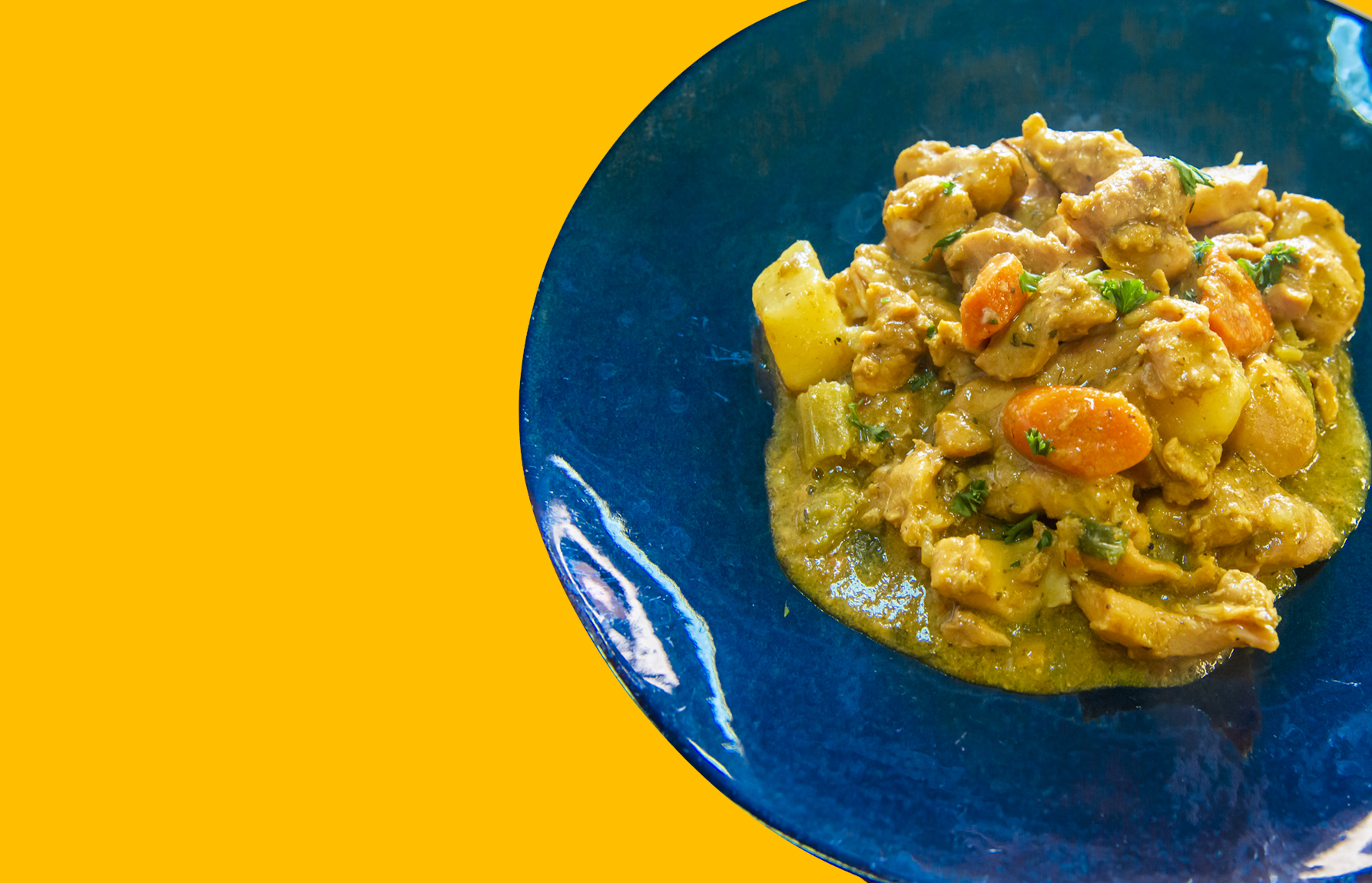
A hundred years is long enough for recipes to cross oceans, for ingredients to change names, for kitchen wisdom to move from a coal pot to a gas stove to a phone screen, and still remain recognizably itself. That is part of what makes any reflection on a Caribbean food centennial so moving. Food in the Caribbean has never been only about taste. It has carried memory, status, migration, scarcity, celebration, grief, and the daily labor of keeping people fed with dignity.
To remember a century of Caribbean food and community is to look at far more than festival dishes or restaurant trends. It means noticing what survived in ordinary pots. It means paying attention to how families stretched salted fish, how market women built trust one customer at a time, how Sunday lunches became a kind of social contract, and how immigrants recreated home with whatever they could find in unfamiliar cities. The Caribbean table, whether in Kingston, Port of Spain, Bridgetown, Castries, Georgetown, Havana, Santo Domingo, Brooklyn, London, Toronto, or Panama City, has long been a place where identity is practiced rather than merely declared.
The story is not neat. The region itself is not neat. Languages shift from island to island. Seasonings overlap but never fully match. One household’s essential spice blend is another household’s unnecessary flourish. A stew can be argued over for years. Rice can be cooked with coconut milk in one place, treated as suspect in another, and served both ways in the same extended family. That variety is the point. Caribbean food has always been plural.
The century lives in the pot
When people speak sentimentally about heritage cooking, they sometimes flatten it into nostalgia, as if the past were made only of generous grandmothers and fragrant kitchens. Real kitchen history is tougher than that. Over the last hundred years, Caribbean cooking has been shaped by colonial trade, wage labor, migration, hurricanes, wartime shortages, tourism, imported goods, and the stubborn economics of feeding many people on limited means.
That is why the most telling dishes are often the ones that look humble. Pepper pot, pelau, callaloo, stewed peas, cou-cou, cook-up rice, provisions with saltfish, mannish water, souse, conch soup, flying fish, rundown, doubles, roti, patties, black cake, cassava pone, breadfruit prepared six different ways, all of these dishes hold a practical intelligence. They know how to use what is available. They know how to create satisfaction from tough cuts, preserved fish, root crops, beans, greens, and seasonings pounded or chopped by hand. They know how to feed a crowd.
That practical intelligence matters more than romance. If you have ever cooked for a large family gathering in the Caribbean, or even helped with the preparation, you know that the work starts early and rarely belongs to one person. Someone is washing thyme and scallions. Someone else is trimming pimento peppers. A pot is already on the fire before the sun is fully up. Rice is measured not in dainty cups but by the reach of the expected guest list and the appetite of the cousins who always arrive late. Timing matters. Heat management matters. So does judgment. A good cook watches liquid levels, smells the browning sugar before it catches too far, knows when coconut milk needs a slower hand, and understands that texture is as important as flavor.
Those are not small skills. They are accumulated knowledge, often taught casually and remembered for life.
Food as a map of arrival
No serious account of Caribbean food can avoid the history of movement. Indigenous foodways form part of the foundation, especially in ingredients and methods connected to cassava, peppers, maize, and coastal fishing. African culinary knowledge shaped the region profoundly, from one-pot cooking to seasoning habits to the treatment of greens, okra, yam, pigeon peas, and rice. European colonial systems introduced livestock, wheat, sugar economies, and structures of power that changed who grew food and who profited from it. Later came Indian indentured laborers with traditions that transformed the region’s cooking, especially in Trinidad and Guyana, but also elsewhere through migration and exchange. Chinese, Portuguese, Syrian, Lebanese, and other communities added their own threads to the fabric.
The result is not a museum display of separate influences. It is a working kitchen where those influences became local. A roti in Trinidad is not simply imported memory. It is Caribbean. The same can be said of curry goat, of certain styles of fried rice sold from takeout counters, of tamarind balls, of chow, of pastries that travel under different names and different crusts. The Caribbean has always had a gift for adaptation without apology.
That adaptation is easiest to see in diaspora communities. For much of the twentieth century, Caribbean migrants leaving for Britain, North America, and elsewhere did not arrive to fully stocked specialty markets. They improvised. If the right yam was unavailable, they used another variety. If callaloo leaves were scarce, they found substitutes. Saltfish might be easier to source than fresh fish from home waters. Scotch bonnet peppers might be precious, guarded, or replaced with local heat that was not quite the same. Those substitutions were not ideal, but they were often enough to keep continuity alive.
Anyone who has tasted a dish made by a first-generation migrant cook knows there is often a small negotiation happening in every bite. The cook is balancing memory against availability. Sometimes the result is a near-perfect recreation. Sometimes it becomes a new branch of the family tree. Both outcomes matter.
The market, the shop, and the neighborhood
Community does not live only in homes. It lives in commerce, too. Over the last hundred years, market stalls, roadside grills, rum shops, bakeries, fish vendors, lunch counters, and small groceries have done cultural work that rarely gets the attention it deserves.
A public market in the Caribbean is not merely a place of transaction. It is a language archive, a weather report, a gossip exchange, and a lesson in seasonality. Good vendors teach you what is worth buying that day. They know which mangoes need two more days on the counter, which bunch of thyme will hold up best, which breadfruit is mature enough for roasting. They may also know your mother, remember your preferred cut of meat, or quietly give a little extra to a regular customer who looks stretched thin at the end of the week.
Those details matter because food culture survives through relationships, not just recipes. A recipe can tell you to add green seasoning, but it cannot reproduce the trust built between a cook and the woman who sells the freshest culantro. A cookbook can explain how to fry plantain, but not the look exchanged across a food stall when someone asks for their doubles “slight pepper” and then regrets underestimating the request.
Over the decades, many of these neighborhood institutions have worked as informal support systems. Credit was extended. Plates were sent next door to a grieving family. A shop owner kept an eye on children after school. Extra portions appeared at wakes, christenings, and community fundraisers. When people say Caribbean food brings people together, this is often what they mean, though the phrase can sound vague until you have seen it in practice.
Feast days and ordinary days
It is tempting to mark a century through special occasions alone. Carnival foods, Christmas tables, Eid sweets, Easter buns, Independence Day cookouts, and wedding feasts all deserve attention. They are where abundance becomes visible. The ham glazes, the sorrel brews, the black cake soaked and matured, the pastelles folded and tied, the curries tended for hours, the grills smoking through the afternoon, these foods announce themselves.
Yet ordinary meals carry equal weight. A real understanding of Caribbean food comes from repetition. The breakfast combinations that differ from island to island. The lunch plates built for workers who need something substantial and affordable. The soups made on specific days, often with an internal logic stronger than any written rule. The careful use of leftovers. The way tea can mean an herbal infusion, a hot breakfast, or a social pause depending on where you are and who is speaking.
A century of food memory is made as much by Tuesday as by Christmas. That is why elders often recall not only the grand meals but also the daily patterns, the smell of garlic and onion hitting hot oil, the scrape of a spoon against a heavy pot, the patience required to grate coconut by hand, the insistence that children learn to peel properly, wash rice properly, season meat properly. Repetition creates belonging.
The pressure of modern life
Remembering a hundred years honestly also means admitting what has changed, and what has been lost. Many families no longer have the time once devoted to slow preparation. Commuting, multiple jobs, higher food costs, and smaller households all affect what gets cooked and how often. Imported processed foods, some convenient and some genuinely useful, have altered tastes and expectations. Fast food and packaged snacks do not erase heritage cooking, but they compete with it for attention caribbean food centennial and budget.
There are trade-offs here. Convenience is not a moral failure. A parent coming home late may rely on shortcuts simply to get dinner on the table. Frozen vegetables, canned beans, bottled seasonings, and prepared doughs can make traditional dishes possible on weeknights when the fully from-scratch version would not happen at all. Purists often dismiss these compromises too quickly.
At the same time, some shortcuts flatten flavor or reduce technique to branding. A bottled “jerk” marinade, for instance, may provide heat and sweetness without capturing the deeper balance of pimento, thyme, scallion, allspice, smoke, and time. Preseasoned products can train younger cooks to expect intensity without understanding structure. The issue is not that modern tools exist. The issue is whether culinary knowledge still gets transmitted.
That question sits at the heart of any Caribbean food centennial reflection. Can a cuisine remain alive if people know how to consume it but not cook it? Perhaps for a while. But eventually something thins out. The dish remains in name, while the confidence to make it disappears.
Restaurants changed the story, but home kept the authority
Over the past several decades, Caribbean food has become more visible in global dining culture. Restaurants, food trucks, and cookbooks have expanded recognition. That visibility has real value. It creates business opportunities, supports farmers and importers, and caribbean food centennial challenges old stereotypes that reduced Caribbean cuisine to a few grilled items and sugary drinks.
Still, visibility brings distortion. Menus designed for tourists often narrow the range of what counts as Caribbean food. A few recognizable items stand in for entire islands. Spice levels are lowered or exaggerated for effect. Portions are arranged to suit expectation rather than tradition. Dishes that are beloved at home but visually plain, or too regional, or too labor-intensive may never appear.
Home kitchens remain the authority because they preserve breadth. They make room for the foods that do not photograph well, the dishes eaten because they are medicinal, practical, ceremonial, seasonal, or simply familiar. They preserve the cooking that depends on smell, touch, and timing more than measurement. They also preserve disagreement, which is one of the healthiest signs in a living cuisine. A family argument about whether a dish should be dry or saucy, sweet or savory, finished with coconut milk or left clean and peppery, is proof that the tradition is still active.
What elders taught without calling it heritage
One of the striking things about older Caribbean cooks is how rarely they speak in grand terms about preservation. Many simply cooked what needed to be cooked. Yet in doing so they taught a durable philosophy of food.
They taught thrift without stinginess. A broth could be enriched from bones, peels, and scraps handled intelligently. They taught hospitality without performance. A visitor was fed because that was what decent people did. They taught standards. A pastry should have the right texture. Rice should not be careless. Frying oil should be at a proper heat. Meat should be seasoned all the way through, not just on the surface. Fruit should be judged by smell and weight, not sticker or prestige.
They also taught flexibility. If the market did not have one ingredient, you adjusted. If a storm was coming, you cooked with what would keep. If extra people appeared, you extended the meal. This is one of the least celebrated but most important elements of Caribbean food culture. It is resilient without making a spectacle of resilience.
The emotional life of shared meals
Community is easy to praise in the abstract and harder to describe at table level. Shared meals in Caribbean households often carry a particular emotional range. They can be noisy, affectionate, controlling, generous, and exacting all at once. Someone insists you eat more. Someone critiques the seasoning. Someone tells a family story that gets corrected by three other people. A child is sent back for proper manners. An aunt quietly wraps up food for later. A neighbor arrives and is absorbed into the meal without much ceremony.
That social texture is part of the cuisine. Food tastes different when served in a setting where obligation and love mix freely. It is one reason recipes alone do not fully travel. A plate of pelau eaten alone at a desk is not the same experience as a pan served at a beach lime, with smoke in the air and everybody debating who made the best one last year. The food may be excellent in both cases, but the meaning shifts.
For people in the diaspora, these gatherings often do more than satisfy appetite. They repair distance. A familiar dish can collapse years and miles in an instant. The scent of thyme, clove, nutmeg, curry leaf, fried fish, or burnt sugar browning can return a person to a kitchen they have not seen in decades. This is not sentimental exaggeration. Smell is one of the most reliable carriers of memory, and Caribbean kitchens are rich in aromatic signatures.
Preserving a living tradition
If the next hundred years are to mean anything, preservation cannot be treated as a museum exercise. Caribbean food survives by being cooked, argued over, adapted carefully, and passed along with context.
A few practices make a real difference:
- Cook with elders while you still can, even if they never use measuring spoons.
- Write down family methods, including the small corrections they make mid-recipe.
- Learn ingredients in their raw state, not only in finished dishes.
- Support local vendors, small producers, and neighborhood food businesses where possible.
- Teach children one complete dish at a time, not just isolated kitchen tasks.
What matters here is specificity. “Family recipe” is too vague to preserve anything. Better to note that the fish is soaked for this long, the onion is sliced this thin, the sugar is taken to this color, the pot is left uncovered at this stage, the dumplings should feel this firm. The details are where inheritance lives.
Why the centennial matters now
A centennial invites stocktaking. It asks what endured, what changed, and what still deserves protection. In the case of Caribbean food, the answer is encouraging precisely because it is not tidy. The cuisine has endured through adaptation. It has changed because real people had to survive, migrate, hustle, celebrate, and feed one another under shifting conditions. It deserves protection not because it is fragile in the decorative sense, but because its deepest knowledge can disappear if left unnamed.
Remembering one hundred years of Caribbean food and community means honoring the cooks whose names never appeared on menus, the farmers and fishers who supplied them, the market women who held systems together, the migrants who rebuilt home from substitute ingredients, and the families who kept gathering around tables that were sometimes crowded, sometimes improvised, but rarely empty of meaning.
A century from now, the dishes will likely continue to evolve. New ingredients will enter. Climate pressures may change availability. Technology will alter shopping, storage, and cooking. Restaurants will reinterpret classics, some with care and some with more confidence than understanding. That is normal. The goal is not to freeze Caribbean food in one perfect decade. The goal is to keep the chain of knowledge unbroken.
That chain has always been made of people before products. It lives in the aunt who can season by smell, the vendor who knows the season’s first good avocados, the baker who wakes before dawn, the grandfather who tends the grill, the neighbor who sends soup when someone is unwell, the migrant parent who insists the children know the taste of home, even if home now exists in two places at once.
A hundred years on, that is the memory worth keeping close. Caribbean food has fed bodies, yes, but also belonging. It has made community visible, edible, and repeatable. Few cultural forms do that so powerfully, or so often, with so little fuss.
Reggae Pot Jamaican Grill
Address: 7562 S University Blvd Unit C, Centennial, CO 80122
Phone: (303) 997-5623
FAQ About caribbean food centennial
What Jamaican dishes can I try in Centennial?
Reggae Pot Jamaican Grill serves Jamaican specialties such as jerk chicken, stewed oxtail, curry goat, and ackee and saltfish. Check the current menu for availability.
What is ackee and saltfish?
It is Jamaica’s national dish. The restaurant prepares ackee with salted cod, onions, thyme, tomatoes, garlic, black pepper, and pimento.
Can I order Jamaican food for pickup in Centennial?
Yes. Choose the Centennial location at 7562 S University Blvd Unit C when placing a takeout order.